- Rua Gil Vicente 39 8600-596 Lagos
- +351-920 619 053
- massageathomelagos@gmail.com


Athletes and active individuals constantly push their bodies. However, training hard without proper recovery often leads to strain or injury. That is where sports massage becomes valuable. It supports muscle recovery, reduces tension, and helps the body perform at its best.
Unlike relaxation therapy, this approach focuses on function. Specifically, it targets the muscles used in your activity. When done correctly, it plays a direct role in preventing injuries and improving performance.
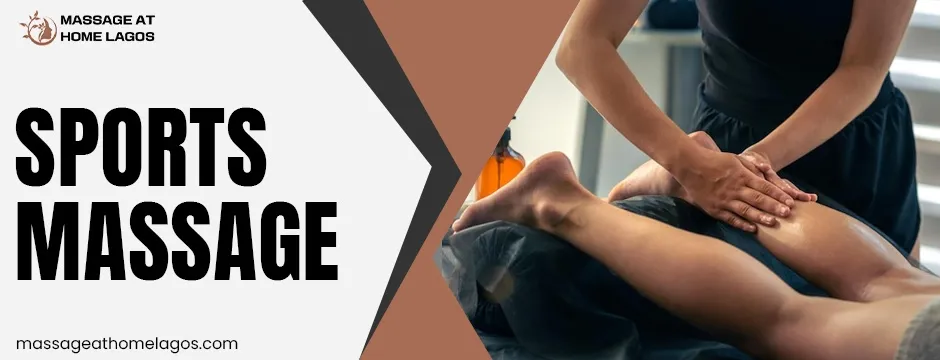
Sports massage is a structured therapeutic technique designed for physically active people. It works on muscle groups that are repeatedly stressed during workouts, matches, or training sessions. Furthermore, it combines pressure, stretching, and controlled manipulation. This improves circulation and restores muscle balance.
Many people assume it is only for professional athletes. However, that is not accurate. Gym members, runners, cyclists, and even office workers with muscle tightness can benefit. The goal is simple: keep muscles healthy, flexible, and efficient.
Injury rarely happens without warning. In most cases, it develops slowly due to muscle imbalance. When certain muscles become tight, others weaken. Consequently, joints lose stability. Over time, this creates strain on tendons and ligaments.
For example, tight hip flexors can affect knee alignment. Similarly, stiff shoulders can limit proper lifting mechanics. Without intervention, small issues turn into serious injuries. Regular sessions help correct these imbalances before they escalate.
Healthy muscles need oxygen and nutrients. During intense activity, waste products accumulate in tissues. This leads to soreness and stiffness. Sports massage stimulates blood circulation. As a result, fresh oxygen reaches muscle fibers more efficiently. Waste products are removed faster.
Better circulation means faster tissue repair. This reduces the risk of overuse injuries.
Tight muscles restrict movement. A limited range of motion often causes poor biomechanics. Consequently, joints compensate in unhealthy ways. Targeted pressure helps release tight fibers and improve flexibility. When muscles move freely, injury risk drops significantly.
After minor strains, scar tissue forms during healing. If left untreated, it can reduce mobility. Therapists use structured techniques to break down adhesions. This keeps tissues pliable and functional. Over time, this approach prevents recurring injuries.
Preventing injury is only part of the benefit. Performance gains are equally important.
Flexible muscles move more efficiently. Specifically, increased range allows athletes to generate more power. For example, a runner with improved hip mobility achieves better stride length. A swimmer with loose shoulders gains smoother strokes.
This efficiency translates into measurable performance improvements.
Recovery time affects training frequency. The faster you recover, the more consistent your progress. Sports massage accelerates muscle repair after intense sessions. Consequently, athletes can return to training sooner without risking overload.
Muscles and nerves work together. When tension builds up, coordination suffers. By releasing deep muscle restrictions, therapists help restore proper communication between nerves and muscle fibers. This leads to smoother, more controlled movements.
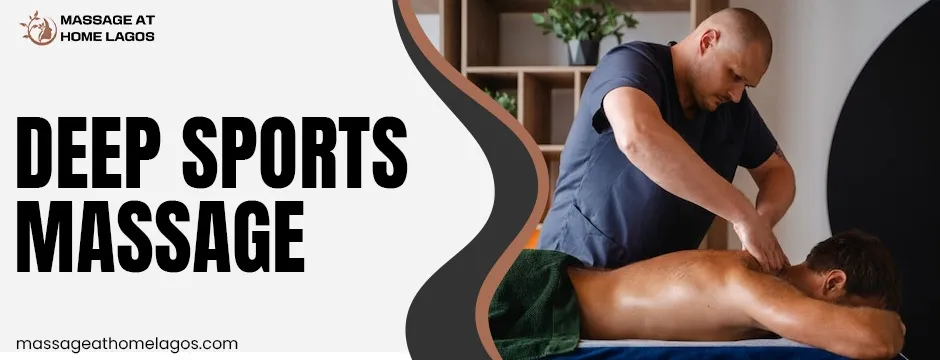
While general techniques focus on surface layers, deep sports massage targets deeper muscle structures. It is especially helpful for chronic tightness and stubborn knots. This method applies firm, controlled pressure to reach underlying tissues. Although slightly intense, it produces lasting relief.
Athletes with repetitive strain often benefit from deep sports massage sessions. It improves mobility where standard techniques may not reach. Furthermore, it helps maintain muscle elasticity over the long term.
Timing matters. The same therapy can serve different purposes depending on when it is performed.
Before competition, the goal is stimulation. Therapists use lighter, energizing techniques. This increases blood flow and warms muscles.
As a result, athletes feel more prepared and responsive.
After intense performance, the focus shifts to recovery. Slower strokes help calm the nervous system.
Sports massage at this stage reduces soreness and supports tissue repair. Consequently, recovery becomes more structured and effective.
Although athletes benefit greatly, they are not the only group.
Even people with physically demanding jobs can benefit. Consistency matters more than intensity.
From clinical observation, injuries often occur during peak training phases. Muscles feel strong, but internal tension builds quietly. Athletes who schedule preventive sessions report fewer muscle pulls. They also maintain steadier progress.
Furthermore, combining stretching, hydration, and proper rest enhances the benefits. Therapy works best as part of a complete recovery plan. It is also important to choose qualified professionals. Proper anatomical knowledge ensures safe and effective treatment.
There are situations where caution is necessary. Acute injuries with swelling require medical evaluation first. Additionally, fractures, infections, or severe inflammation should be addressed by a healthcare provider.
However, once cleared, structured sessions can support rehabilitation.
Over months, consistent care produces cumulative results. Muscles remain balanced. Flexibility improves steadily. Specifically, reduced stiffness lowers stress on joints. This protects knees, shoulders, and lower back from chronic damage.
Many athletes who commit to routine sports massage notice fewer setbacks. As a result, training becomes more predictable and productive.
Planning is key. Some athletes schedule sessions every two weeks. Others prefer weekly care during intense seasons. The right frequency depends on activity level and recovery needs.
Importantly, communication with your therapist ensures tailored treatment. Discuss training goals and any discomfort areas. This personalized approach makes each session purposeful.
Chronic tension requires deeper intervention. In such cases, deep sports massage becomes essential. It helps restore flexibility in heavily used muscles like hamstrings and calves.
When used correctly, deep sports massage improves structural alignment and reduces recurring strain patterns.
At Massage at Home Lagos, we bring professional recovery directly to your home, hotel, or Airbnb. We understand how important muscle care is for injury prevention and peak performance. That is why we offer tailored sessions designed for active individuals who need structured support. Whether you require targeted therapy or deep muscle work, we focus on restoring balance, improving flexibility, and helping you recover efficiently without disrupting your routine.
Injury prevention and performance improvement are closely connected. Healthy muscles move efficiently. Balanced tissues support joints properly. Sports massage plays a central role in maintaining that balance. It improves circulation, reduces tightness, manages scar tissue, and enhances recovery.
Furthermore, it supports both pre-event preparation and post-event healing. When integrated into a structured training plan, it becomes a preventive tool rather than a reactive solution.For those seeking professional support at home, Massage at Home Lagos offers tailored services designed to meet active individuals’ recovery needs.