
5 Core Swedish Massage Strokes: What Each One Does
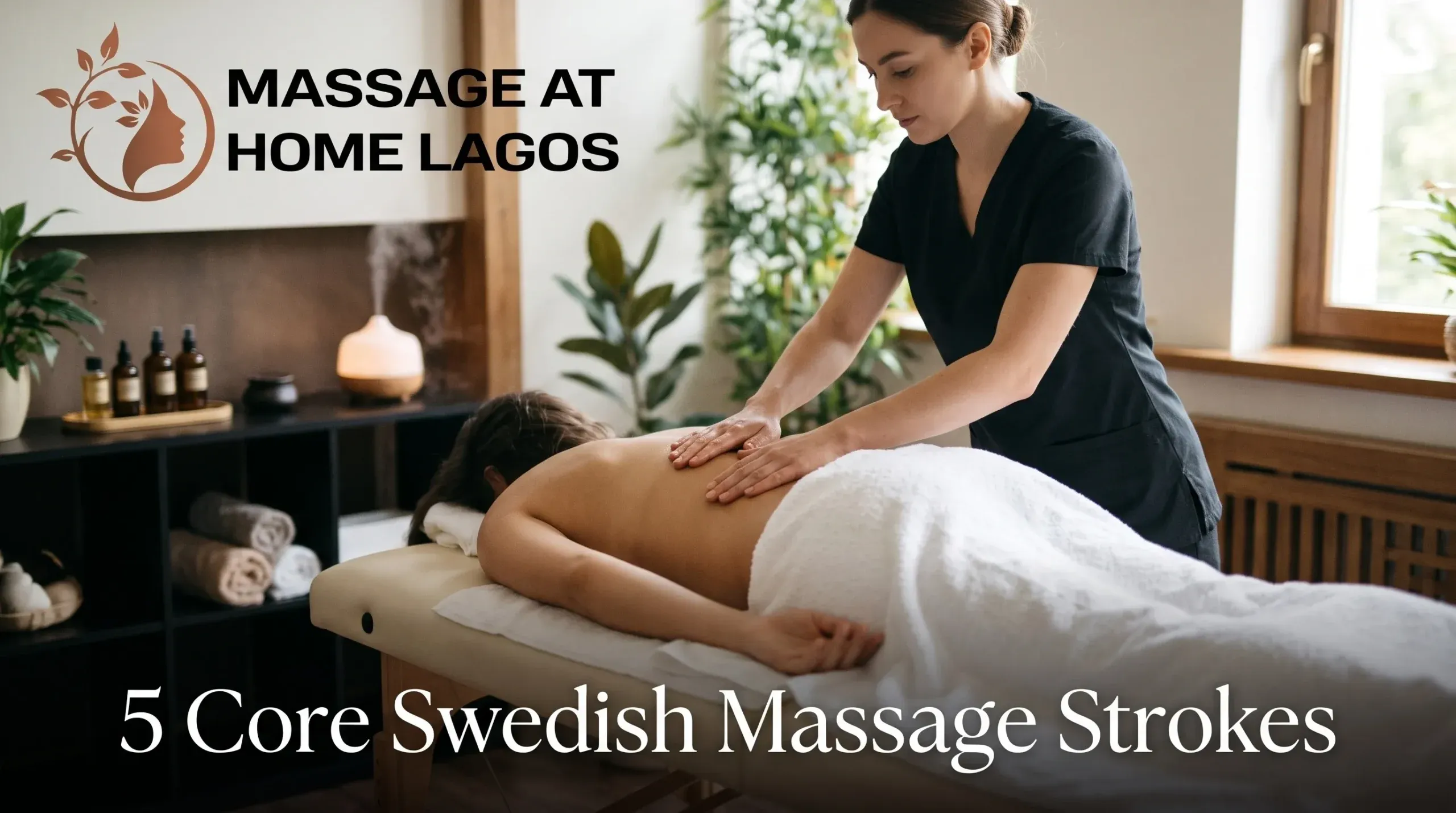
Quick answer: The 5 core Swedish massage strokes are effleurage (gliding), petrissage (kneading), friction (circular pressure), tapotement (rhythmic tapping) and vibration (shaking). Therapists blend them in a deliberate order to warm the muscles, release tension and calm the nervous system.
Ever wondered why a good massage feels like it follows a script? It does. Behind every relaxing session sits a small toolkit of movements, and understanding the 5 core Swedish massage strokes helps you ask for exactly what your body needs. This guide explains each stroke, what it feels like and where it fits in a full session, whether you are a first timer in the Algarve or a regular client at home in the USA, Canada, the UK or Germany.
Where Do the Five Strokes Come From?
Swedish massage grew out of the movement system credited to Per Henrik Ling in the nineteenth century. The Dutch practitioner Johan Georg Mezger later standardised the method and gave the strokes the French names still used today. That is why classic Swedish massage, also called traditional or European relaxation massage, uses the same vocabulary in every country.
The Five Strokes at a Glance
| Stroke | Also called | What it feels like | Main purpose |
|---|---|---|---|
| Effleurage | Gliding, sweeping | Long, smooth, light to medium | Warms tissue and links sections |
| Petrissage | Kneading, lifting, wringing | Squeezing and rolling | Eases tight muscle, moves blood |
| Friction | Circular, cross-fiber | Small, firm, focused | Targets stubborn knots |
| Tapotement | Percussion, cupping, hacking | Quick, rhythmic tapping | Wakes up tired muscle |
| Vibration | Shaking, trembling | Fine, rapid oscillation | Loosens joints, soothes nerves |
What Are the 5 Core Swedish Massage Strokes, Step by Step?
1. Effleurage: The Gliding Opener
Your therapist uses long, sweeping strokes with the palms and forearms, spreading oil or lotion toward the heart. It opens and closes the session and bridges every other stroke. Why do therapists start with sweeping strokes? They warm the skin, reveal where your muscles are tight and signal that it is safe to let go.
2. Petrissage: Kneading That Lifts and Rolls
Here the therapist lifts, squeezes and rolls the muscle, much like working dough. It suits the shoulders, thighs and calves, and it is where most muscle tension relief happens. Pressure is easy to adjust, so tell your therapist if you want it softer or firmer.
3. Friction: Small Circles With a Purpose
Thumbs, fingertips or the heel of the hand press the tissue in tiny circles or across the fibers. The movement creates local warmth and helps loosen stiff areas around the shoulder blades and lower back. A skilled therapist uses it briefly and only where needed.
4. Tapotement: Rhythmic Percussion
Cupping, light hacking and tapping with relaxed hands make this the most energizing stroke. It stimulates the nervous system, so many relaxation clients choose to skip it, which is perfectly normal to request.
5. Vibration: The Calming Finish
Fine shaking or trembling movements travel through a fingertip, palm or an entire limb. Vibration loosens joints and often marks the end of a section before a closing glide.
What Is the Correct Order of the Strokes?
There is no rigid rule, yet most sessions follow this pattern:
- Effleurage to warm and assess the area.
- Petrissage to release deeper muscle tension.
- Friction on specific tight spots.
- Tapotement, only if you want it.
- Vibration, followed by closing effleurage.
How Swedish Massage Strokes Work on the Body
The long strokes move toward the heart, which supports blood flow, while kneading and friction soften tight tissue. Together they trigger the relaxation response many people describe as heavy, warm and sleepy. Mayo Clinic notes that massage may reduce stress, ease pain and muscle tension and support relaxation, although it should never replace regular medical care. The National Center for Complementary and Integrative Health offers a balanced summary of the evidence. If stress is your main goal, our guide to Swedish massage and stress hormone reduction goes further.
Effleurage vs petrissage, what is the difference? Effleurage glides over the surface to warm and relax. Petrissage lifts and squeezes deeper muscle to release tension.
Swedish vs Deep Tissue Massage Techniques
| Swedish massage | Deep tissue massage | |
|---|---|---|
| Pressure | Light to firm, adjustable | Firm to deep |
| Pace | Slow and flowing | Slower, more focused |
| Main strokes | All five | Mostly petrissage and friction |
| Best for | Relaxation, stress, first sessions | Chronic knots, heavy tension |
Not sure which suits you? Our deep tissue massage page explains when firmer work makes sense.
What to Expect in a 60 or 90 Minute Session
A therapist should ask about your goals, health history and pressure preference before starting, then drape you with a sheet so only the area being treated is uncovered. A 60 minute full body Swedish massage covers back, legs, arms, neck and shoulders. A 90 minute session leaves extra time for petrissage and friction on problem areas. Our first full body massage guide walks through the whole experience for beginners.
Afterwards, drink water and rest if you can. Mild soreness can appear the next day, yet you should never feel severe pain during treatment.
Swedish Massage at Home vs a Spa in the Algarve
| At home or villa | Spa or resort | |
|---|---|---|
| Travel | None | Transfer required |
| Privacy | Fully private | Shared facilities |
| Timing | Flexible, including evenings | Fixed opening hours |
| Couples | Side by side in your space | Depends on room availability |
Massage at Home brings certified therapists, a portable massage table and all equipment to your villa, hotel or apartment, daily between 9:00 AM and 11:45 PM. Guests staying in the Golden Triangle can see our home massage in Vilamoura page, and you can check every covered town on our locations page.
Quick Safety Note
Speak to your doctor first if you are pregnant, take blood thinners, have a fracture, open wounds or a history of deep vein thrombosis.
Swedish Massage FAQs
What are the five basic strokes of Swedish massage?
Effleurage, petrissage, friction, tapotement and vibration.
Is Swedish massage good for beginners?
Yes. The pressure is light to medium and always adjustable, which makes it the usual first choice.
Can I book a same-day Swedish massage in the Algarve?
Often yes, depending on therapist availability. Message us on WhatsApp for the quickest answer.
Which massage suits stress best?
Swedish massage, because its slow rhythm is designed for relaxation.
Book Your Swedish Massage in the Algarve
Now that you know what each stroke does, the best way to understand it is to feel it. Explore our Swedish relaxing massage service, browse the special offers and packages, then book your appointment. Message us on WhatsApp for up to 15% off our seasonal offer, because the best slots at sunset go first.