
Types of Massage Explained: Which One Do You Need?
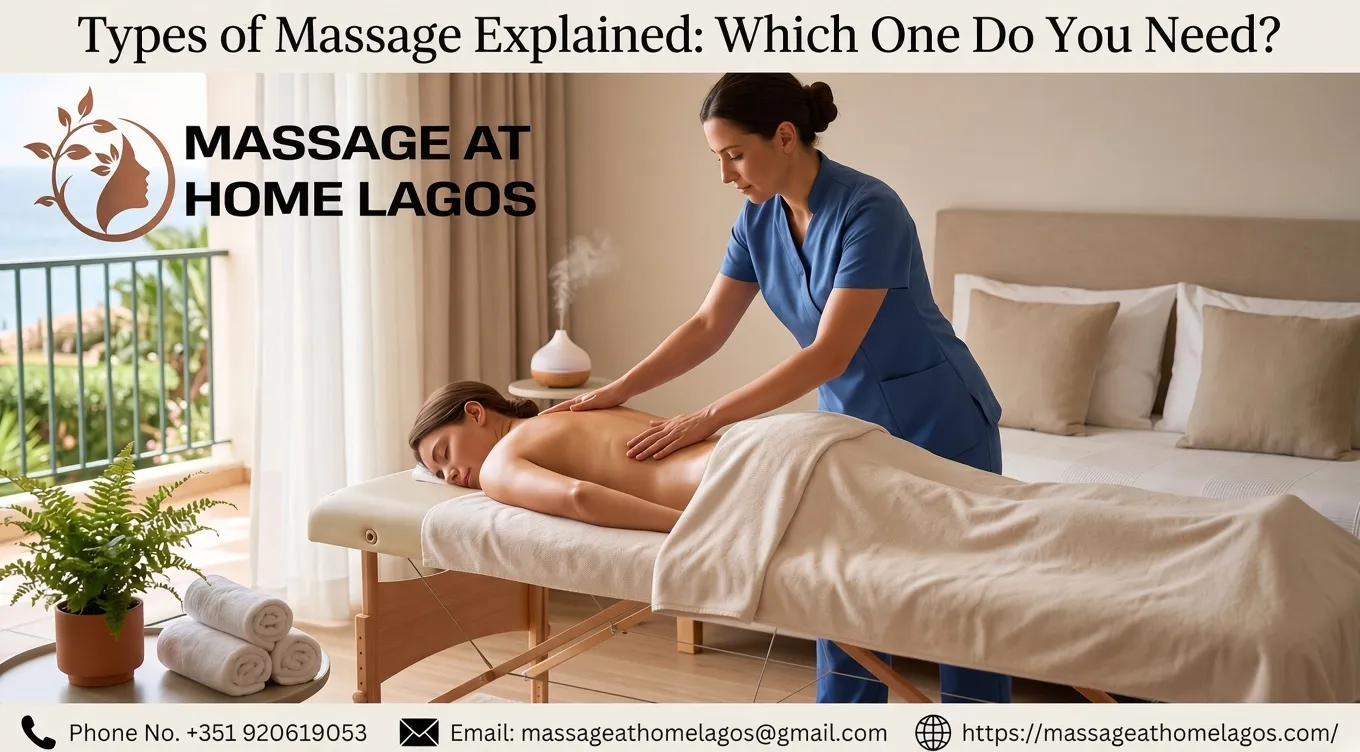
There are more than a dozen different kinds of massage therapy and many choose the wrong one, which is why many people end up leaving with a sense that they were not satisfied with their massage. Say someone books a ‘firm sports massage’ following a long haul flight and gets a ‘feather light Swedish massage’ in its place, although there was nothing wrong with their massage they will still be more frustrated than relaxed by their treatment. The style of the style should match the intention of the goal.
Here are the primary types of massage explained in simple terms, and each is paired with the issue it works best on, plus the answers to the questions that have been Googled before people book a massage: which one should I try, and what is the difference between Swedish massage and deep tissue massage? You have a modality for every state of relaxation you seek in a villa in the Algarve, trying to get a better night’s sleep after golf at Vilamoura or just wanting to sleep better at home.
What Is Massage Therapy and Why Does the Type Matter?
Massage therapy is a manual manipulation of the body’s muscles, connective tissue, and soft tissue that is performed with different amounts of pressure and rhythm in order to alleviate tension, increase circulation and enhance recovery. The styles of massage vary primarily in the pressure applied and how the massage is performed on the layers of muscles, so two people could refer to what they call “a massage” and describe completely different experiences, according to WebMD.
The short answer is it will depend on the pressure you can handle, the issue you’re working with (stress, pain, mobility or recovery) and the amount of time you have. Compare and contrast those, then select a modality.
Different Types of Massage, Explained
Swedish Massage: The Relaxation Standard
The Swedish massage incorporates long gliding strokes, kneading and light to medium pressure throughout the body. The most desired style globally and the most basic for those who are new to massage. Brace yourself for a slow pace, warm oil and a stress-reduction massage that isn’t up to the grind in the deep knots of the past.
Deep Tissue Massage: For Chronic Tension and Muscle Knots
Deep tissue massage uses deep, sustained pressure to penetrate into deeper tissues and connective structures of the body. This is the best massage for muscle knots, chronic pain and long-term problems with lower-back or shoulder tightness because therapists use slow strokes to loosen adhesions. Here’s a bit more pain tomorrow like a really intense exercise – and the pressure will ramp up depending on how well you do in the next one.
Sports Massage: Built for Athletes and Active Travellers
Sports massage combines stretching, compression, and targeted deep-tissue technique to prepare muscles before activity or aid recovery afterward. It’s the best massage for athletes, golfers, hikers, and anyone who’s spent the day on a course or a coastal trail. Many guests search for the best massage after a workout because generic relaxation massage doesn’t address exercise-induced fatigue the way sports-specific technique does.
Hot Stone, Thai, and Prenatal Massage
Hot stone massage is a therapy that involves using heated basalt stones to massage certain points on the body, serving as extensions of the therapist’s hands. Heat relaxes muscle fibres quicker than manual pressure by itself and makes the work less uncomfortable as it relaxes. In contrast, Thai massage is done on a mat on a bare floor with both the massage therapist and the client fully clothed without oil and is a dynamic form of massage, where Swedish massage is a passive form.
Prenatal massage is a specialized massage technique that is performed with lighter pressure and a special side-lying position to safely provide soothing massage and help lessen swelling and back strain without harming the baby or mother, a massage therapist will screen trimester and contraindications first.
Aromatherapy, Lymphatic Drainage, Trigger Point, Reflexology, and Shiatsu
Aromatherapy massage is a blend of the Swedish massage and essential oils for relaxation. Lymphatic drainage involves very gentle, gentle rhythmical strokes to move the fluid and to reduce the swelling. Trigger point therapy is a technique using gently applied pressure to a knot to alleviate pain in another part of the body, typically the shoulder. Reflexology involves stimulation of the feet with pressure points that are thought to map to other parts of the body. Based on the Japanese “bodywork”, Shiatsu is the application of finger and palm pressure along the body meridians, without any use of oil but under light clothing.
Comparison Table: Which Massage Type Fits Your Need
| Massage Type | Pressure Level | Best For | Typical Duration |
|---|---|---|---|
| Swedish | Light to Medium | Stress, first-timers, better sleep | 60 / 90 min |
| Deep Tissue | Firm | Muscle knots, chronic pain | 60 / 90 min |
| Sports | Medium to Firm | Athletes, golfers, active recovery | 60 / 90 min |
| Hot Stone | Medium | Deep relaxation without intensity | 60 / 90 min |
| Thai | Active/Stretch-based | Flexibility, mobility | 60 / 90 min |
| Prenatal | Light | Pregnancy comfort and swelling | 60 min |
| Reflexology | Light to Medium | Foot tension, general wellness | 30 / 45 min |
How to Choose the Right Massage Type
- Identify your goal. Relaxation calls for Swedish; pain relief calls for deep tissue or trigger point work.
- Consider your pressure tolerance. First time with firm pressure? Start lighter and communicate during the session.
- Match it to the occasion. A couples massage suits a shared holiday, while a solo sports massage suits post-activity recovery.
- Factor in timing. Sixty minutes covers key areas; ninety allows a full-body treatment plus extra attention to problem zones.
- Check qualifications. A certified therapist trained under recognised standards, such as those set by the American Massage Therapy Association, will screen for contraindications first.
Frequently Asked Questions
What massage should I do to relieve stress?
Swedish massage is recommended, in general, for stress and anxiety, as the slow, rhythmic massage techniques reduce cortisol and activate the parasympathetic nervous system.
What is the best massage for lower back pain or muscle knots?
Deep tissue and trigger point massage go after the layers of muscle which build up chronic tension and localised knots.
How long does a massage last?
Most sessions take 60, 90 or even shorter periods of 30 to 45 minutes, although reflexology occasionally might be available in smaller blocks of 30 to 45 minutes.
How frequently do you need massages?
If you’re just looking for some overall well-being, once every three or four weeks is fine. Chronic pain sufferers or athletes may find more frequent sessions are useful.
But is hot stone massage superior to a massage?
Nor is any of the two objectively good. Hot stone suits deep relaxation with less manual pressure, and Swedish and/or deep tissue suits more direct control for the therapist.
Bringing the Right Massage to You in the Algarve
Reading about massage types is useful, but the real test is how a session feels once pressure, technique, and setting come together. Mobile treatment removes the guesswork: a certified therapist visits your villa in Lagos, a resort in Vilamoura, or an apartment in Albufeira, brings the table and oils, and tailors the session to whichever modality above matches your day.
Massage at Home Lagos offers Swedish, deep tissue, sports, and couples treatments through its massage packages, each customised after a short conversation about pressure preference and problem areas. Still unsure which style fits? The team’s FAQ page covers pricing and session length, or message directly on WhatsApp for a same-day recommendation. Dealing with a specific muscle knot after a long coastal walk? This guide to muscle knot relief goes deeper into targeted deep tissue technique.
If your intention is clear, you need not make the selection of massage types difficult. Match your pressure to your tolerance, match your technique to the problem, and book with a therapist that asks the right questions first. It is a combination of these that is required to get results, more than any one of them.