
Athletic Recovery Massage: What It Is & How It Works
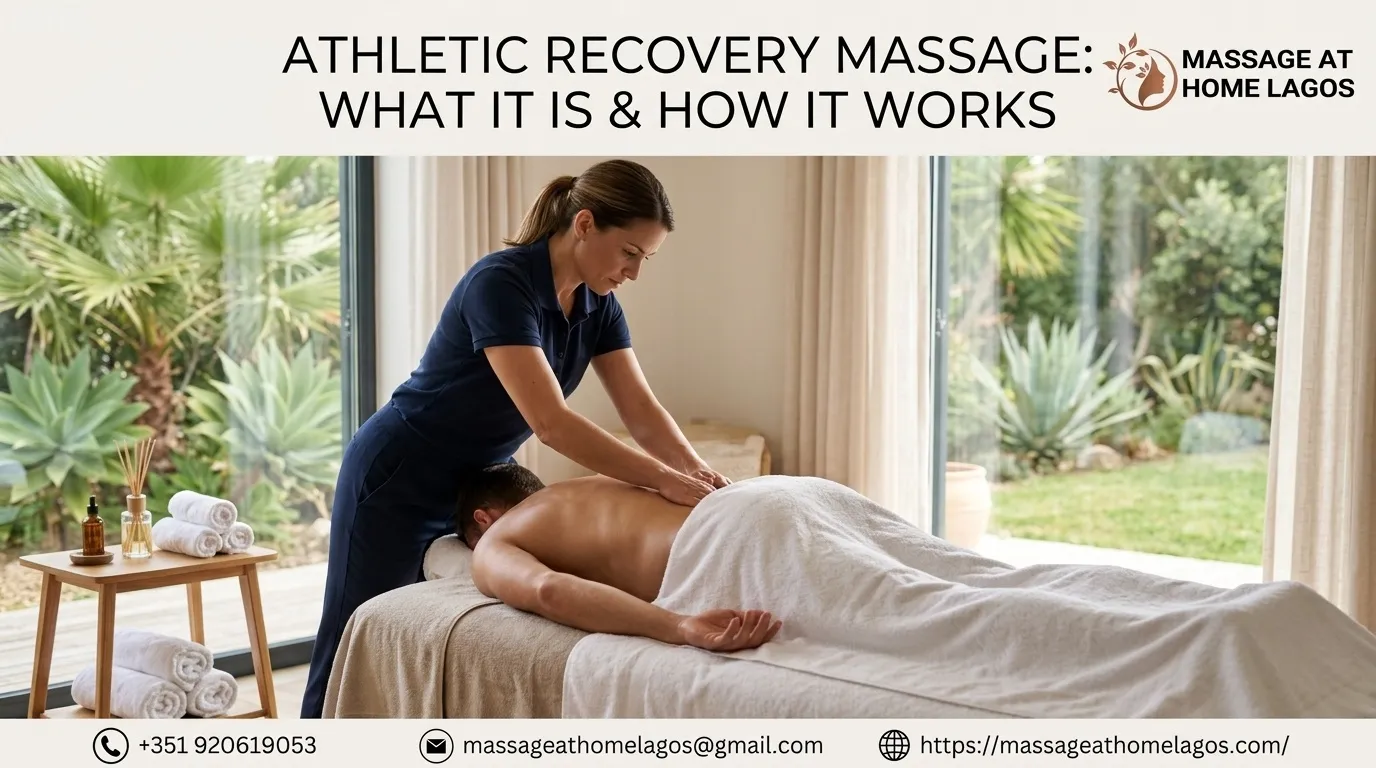
Athletic recovery massage has moved from a locker-room luxury to a standard part of how serious athletes train, and the science now backs up why. A review of 29 clinical studies published in BMJ Open Sport & Exercise Medicine found that post-exercise sports massage reduced delayed onset muscle soreness (DOMS) symptoms by around 13%, while a separate meta-analysis in Frontiers in Physiology found massage outperformed stretching, compression garments and cold therapy for cutting perceived fatigue. If you’ve ever wondered whether that post-workout rubdown is doing anything beyond feeling good, the answer is yes, and the mechanisms are well documented.
This guide breaks down what sports massage actually is, how it aids recovery at a physiological level, who benefits most, and how to time a session for the best results, whether you’re training for a marathon, playing 18 holes in Vilamoura, or hiking the trails above the Algarve coastline.
What Is Sports Massage?
Sports massage is a targeted form of soft tissue therapy built specifically around the demands of physical activity. Unlike a relaxation massage, which prioritises comfort, sports massage uses techniques such as deep tissue work, myofascial release, trigger point therapy and active stretching to address the specific stresses that exercise places on muscles, tendons and connective tissue.
It’s generally grouped into two categories:
- Pre-event sports massage — shorter, brisker, stimulating sessions designed to warm muscles and increase blood flow before activity
- Post-event or athletic recovery massage — slower, deeper work aimed at flushing metabolic waste, easing tension and speeding tissue repair after exertion
Both fall under the wider umbrella of remedial massage, a discipline recognised by physiotherapy and sports medicine bodies as a legitimate adjunct to training and rehabilitation programmes, not a substitute for medical treatment.
How Does Sports Massage Aid Recovery?
Exercise creates microscopic tears in muscle fibres. That’s a normal, necessary part of getting stronger, but it’s also what causes DOMS, the stiff, tender feeling that typically peaks 12 to 48 hours after a hard session. Sports massage supports the body’s own repair process in several measurable ways.
Reduces DOMS. As noted above, clinical reviews consistently show a meaningful drop in soreness severity and duration when massage is used after exercise.
Improves circulation. Manual pressure and kneading increase blood flow to worked muscles, delivering oxygen and nutrients needed for tissue repair while helping clear lactic acid and other by-products of intense effort.
Releases myofascial tension. Repetitive movement — whether that’s a golf swing, a running gait, or paddling a surfboard — creates tight bands and trigger points in the fascia surrounding muscle. Myofascial release and soft tissue mobilisation loosen these adhesions, restoring normal muscle length and joint mobility.
Reduces perceived fatigue. Athletes consistently report feeling less drained after a recovery massage, which matters as much for training consistency and motivation as for the physiology itself.
Supports injury prevention. By identifying and treating tight, overworked tissue before it becomes a strain or tear, regular sports massage functions as a prehabilitation tool, not just a post-injury fix.
Sports Massage vs Deep Tissue vs Regular Massage
People often use these terms interchangeably, but they’re not quite the same thing.
| Type | Primary Goal | Pressure | Best For |
|---|---|---|---|
| Regular (Swedish) massage | Relaxation, stress relief | Light to moderate | General wellbeing |
| Deep tissue massage | Chronic tension, adhesions | Firm, sustained | Long-term muscle tightness |
| Sports massage | Performance, recovery, injury prevention | Varies by phase (pre/post-event) | Athletes and active people |
Deep tissue technique is often used within a sports massage session, but sports massage is broader — it’s tailored to training schedules, specific muscle groups used in a given sport, and the timing of competition or exertion.
When Should You Book a Recovery Massage?
Timing changes what the massage should achieve.
- Before a race or event — a light, brisk session 24–48 hours out to activate muscles without leaving them fatigued
- Immediately after intense exercise — gentle work to begin flushing waste products without aggravating fresh micro-tears
- 24–72 hours post-exercise — deeper recovery work, once DOMS has set in, to actively reduce soreness and restore range of motion
- As routine maintenance — weekly or fortnightly sessions for anyone training consistently, to prevent tension building up into injury
Who Benefits Most From Athletic Recovery Massage?
While the term “athlete” conjures images of professional competitors, the benefits apply broadly:
- Runners dealing with tight calves, IT band tension or shin discomfort
- Golfers managing lower back and shoulder strain from repetitive swings, a common issue for regulars at courses around Quinta do Lago and Vilamoura
- Hikers and trail walkers recovering from long routes such as the Seven Hanging Valleys trail
- Surfers carrying shoulder and upper back tightness from paddling
- Weekend athletes and gym-goers who train hard but don’t have access to a dedicated physio team
If you’re active on holiday as well as at home, keeping up a recovery routine matters just as much away from your usual gym or clinic, which is one reason mobile, in-villa treatment has become popular across the Algarve.
Frequently Asked Questions
Does sports massage really reduce recovery time?
Yes. Clinical reviews show measurable reductions in soreness severity and duration, alongside improved circulation and flexibility, which together shorten the time it takes to feel ready to train again.
Is sports massage painful?
It can be firm, particularly during deep tissue or trigger point work, but a qualified therapist adjusts pressure to what you can comfortably tolerate. Discomfort should never tip into sharp pain.
How often should athletes get a recovery massage?
For regular training, every one to two weeks is typical. Around a major event, more frequent, lighter sessions are common in the days before and after.
Can sports massage help with chronic pain, like a stiff lower back from golf?
Often, yes, particularly when the pain stems from muscular tension rather than a structural issue. Persistent or worsening pain should still be assessed by a physiotherapist or doctor.
Booking an Athletic Recovery Massage in the Algarve
For visitors and residents across Faro district, from Lagos and Praia da Luz to Almancil and Vale do Lobo, a mobile, in-villa recovery session removes the extra travel that can undo the relaxation benefit of the treatment itself. Massage at Home brings qualified therapists directly to hotels and villas across the region, including Lagos, Portimão, Vilamoura, and Faro, among other towns along the coast.
You can browse the full range of sports and deep tissue treatments, check current massage packages and seasonal deals, or read more recovery guidance on the blog. Right now, a 15% seasonal discount is available when you book directly via WhatsApp. For anything else, the FAQs page covers booking logistics, and verified guest reviews are available on the Google Business profile.
Ready to book your session? Head to the appointment page to choose a time that works around your training, golf round, or travel schedule.