
Muscle Knots Explained: How Deep Tissue Releases Them
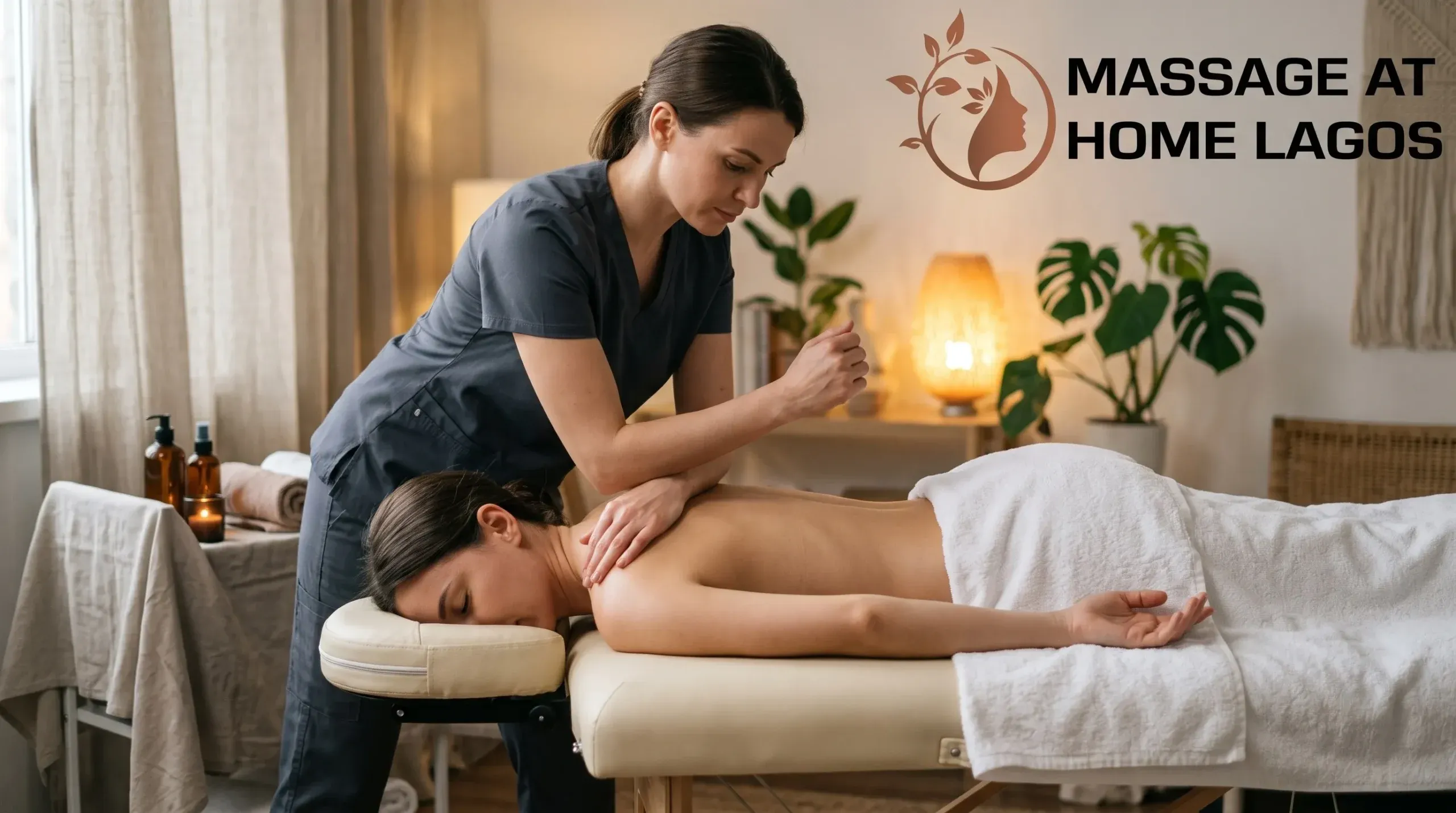
Roughly 85% of people will deal with myofascial pain and trigger points at some stage, according to Cleveland Clinic. You probably know the feeling even if you never used that term. A hard, tender lump beside the shoulder blade after a long flight. A calf that stays tight the morning after a hike. Muscle knots are common, stubborn and very treatable. Here is what they really are, why they form, and how deep tissue massage releases them, so you can choose between a foam roller and a therapist.
Quick answer: Muscle knots are myofascial trigger points, small areas of muscle that stay contracted and feel tender, tight or lumpy. Deep tissue massage releases them with slow, sustained pressure that improves circulation, eases the contraction and helps the surrounding fascia glide again. Many people move more freely after one session. Long-standing knots usually need a short series.
What are muscle knots, and are they real?
The pain is real. The word “knot” is a nickname. Clinicians call these spots myofascial trigger points, and Cleveland Clinic describes them as bumps or nodules that hurt when pressed and sometimes send pain to another area, known as referred pain. No scan or blood test confirms them, so a trained therapist finds them by touch. Researchers still debate the exact mechanism, which is why an honest practitioner treats what they feel and what you report instead of promising miracles.
| Type | What it means | Typical sign |
|---|---|---|
| Active | Painful on pressure, often at rest | Ache in the spot or along the muscle |
| Latent | Dormant until pressed | Stiffness and limited movement |
| Secondary | A knot in a neighbouring muscle | Tension spreading to nearby areas |
Why do muscle knots form?
Fibres stay switched on when they are overloaded or held in one position too long. Common triggers include:
- Repetitive movement, such as golf swings or paddling a surfboard
- Poor posture at a desk or in a cramped plane seat
- Injury or sudden overload
- Ongoing stress that keeps the shoulders raised
- Too little recovery between workouts
Hikers often find knots in the calves and hamstrings because downhill steps load those muscles again and again.
Where do they usually appear?
The neck and shoulders lead the list, especially the trapezius. A 2017 study in the journal Medicine, summarised by Livestrong, ranked trapezius trigger points among the most common causes of musculoskeletal shoulder pain. Upper back knots between the shoulder blades come next, followed by the lower back, glutes, hip flexors and calves.
How does deep tissue massage release a muscle knot?
A therapist warms the area, then applies firm, slow pressure through the tissue. A typical sequence looks like this:
- Light work warms the muscle and maps the tight bands.
- Sustained pressure rests on the tender point until the tension fades.
- Slow strokes follow the fibres to lengthen the band.
- Work on the surrounding fascia restores glide between layers.
- Gentle stretching finishes the area.
Holding pressure on a point is called ischemic compression. The same Livestrong article notes a small study in which it eased shoulder knots in 12 professional basketball players. The sample is modest, but it matches what therapists see in practice. Expect firm, never brutal. Our firm pressure massage guide for Vilamoura explains how pressure is chosen.
Deep tissue vs trigger point massage: which is better?
Neither wins outright. They overlap, and a skilled therapist blends them.
| Technique | Focus | Best for |
|---|---|---|
| Deep tissue massage | Whole muscle groups and fascia | Several tight areas, chronic tension |
| Trigger point therapy | One precise spot | A single stubborn knot |
| Myofascial release | Slow stretch of connective tissue | A restricted, pulled feeling |
| Sports massage | Training load and recovery | Golf, running, cycling |
If one spot keeps nagging, trigger point work targets it. If your whole back feels like concrete, a broader session covers more ground. Athletes can read more in our post on athletic recovery massage.
Self-massage or a professional?
Cleveland Clinic’s sports medicine specialist recommends stretching, hydration, good ergonomics and rollers for wider areas. A simple home routine:
- Find the tender spot with a lacrosse ball or foam roller.
- Lean in until discomfort is about 6 out of 10, never sharp, tingling or numb.
- Hold for 30 to 60 seconds, breathe slowly, then move on.
Book a professional when a knot lasts beyond two weeks, returns in the same place, limits movement, or sits where you cannot reach, such as between the shoulder blades. A therapist also spots the neighbouring muscles that are compensating.
Is soreness after deep tissue massage normal?
Dull, workout-like tenderness for a day or two is normal. Sharp pain, numbness, tingling, spreading bruises, swelling or heat is not, so speak to a doctor. Never force a release on a hot, swollen or inflamed knot. Tell your therapist, who will lighten the pressure or work around it.
Muscle knots on holiday in the Algarve
Algarve itineraries are hard on the body. A morning round at Vale do Lobo loads the lead shoulder and lower back, so home massage in Vale do Lobo suits golfers. Landing at Faro after hours in a seat? Home massage in Faro can ease the neck before you unpack. Walkers finishing the Seven Hanging Valleys or the Fishermen’s Trail often head to Sagres for calf and hamstring relief, and surfers can book home massage in Lagos. Massage at Home brings certified therapists and all equipment to your villa, hotel or home, daily from 9:00 to 23:45.
Book deep tissue massage where you are staying
Cleveland Clinic advises seeing a provider early, because treatment is often more successful before trigger points multiply. Our deep tissue massage service targets exactly that. Compare options on the special offers page, message us on WhatsApp for up to 15% off our seasonal offer, or book an appointment online. You can also read feedback on our Google Business Profile.
FAQs
How long does it take to release a muscle knot?
One session often brings noticeable relief. Chronic knots may need several sessions plus stretching between visits.
Does deep tissue massage help muscle knots?
Yes. Firm, sustained pressure reduces tenderness and improves movement for most people, although results vary.
Can deep tissue break up old scar tissue?
It cannot dissolve scar tissue instantly, but regular work can improve how stiff tissue moves.
Is mobile massage at a villa worth it?
For stiff travellers and golfers, yes. You skip the drive, stay warm afterwards and rest straight away.
If a knot comes with numbness, night pain or weakness, see a doctor first.